The Best Fluffy Pancakes recipe you will fall in love with. Full of tips and tricks to help you make the best pancakes.
Top Ways to Maintain Healthy White Hair Without Chemicals

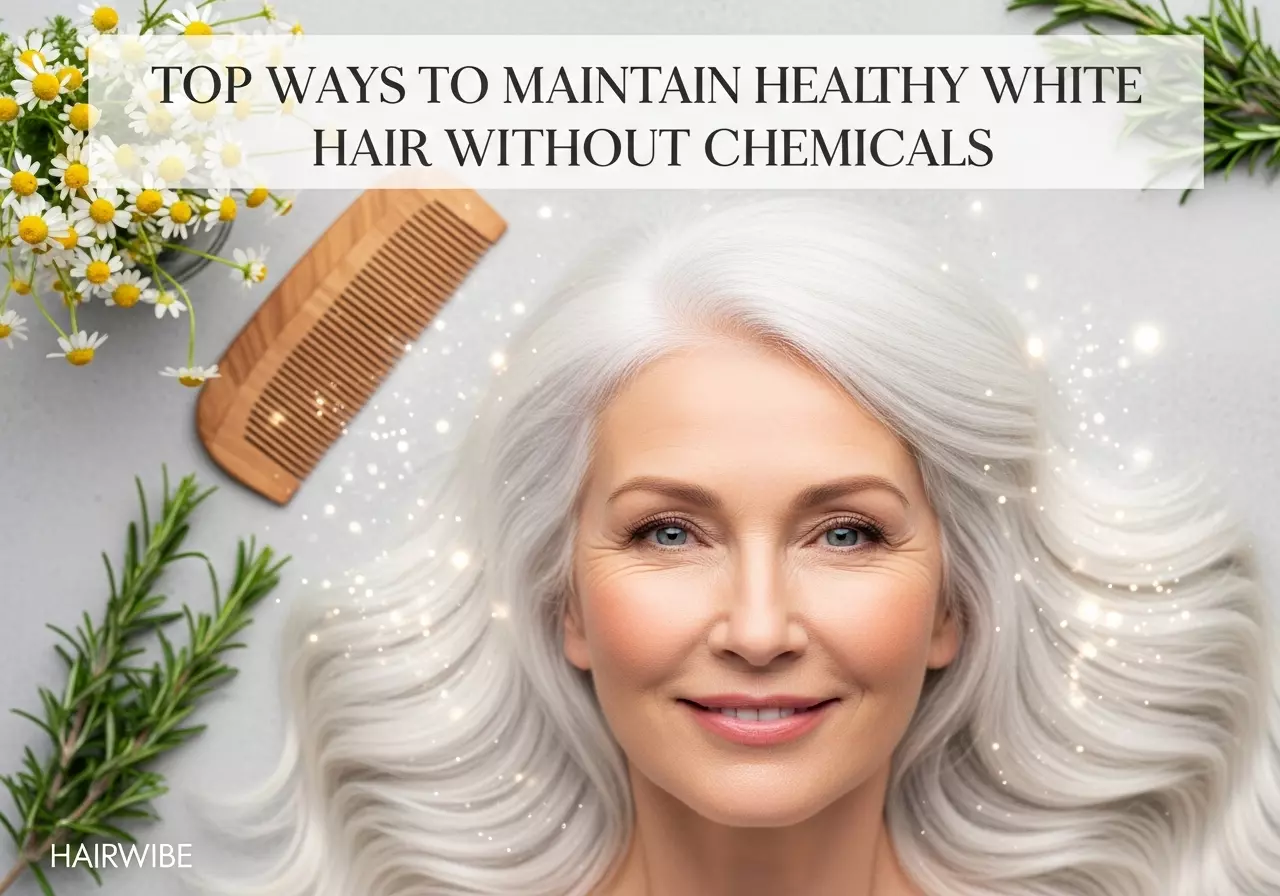
Maintaining healthy white hair without chemicals can seem challenging, but it is completely achievable with natural care.
White hair requires gentle handling, proper nourishment, and simple routines to stay soft, shiny, and strong. In this guide, we’ll explore the top ways to care for white hair naturally, keeping it vibrant and elegant at any age.
VISUAL STUDIO
AI Image Generator
Create ultra-realistic high-speed transformations instantly. Perfect for your next blog post, marketing campaign, or creative project.
Ready to Create
Enter a keyword on the left and click generate to see your batch of 20 visuals here.
1 / 20
Right-Click to Save
1. Use Natural Oils for Hair Nutrition
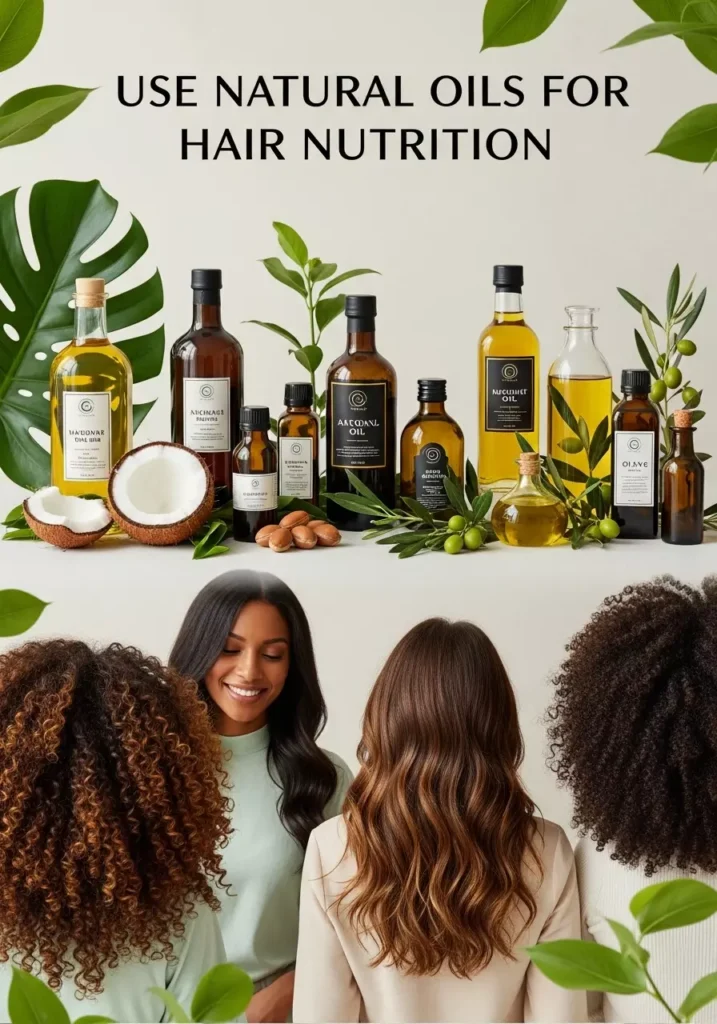
One of the most effective ways to maintain healthy white hair is through regular oiling. Oils like coconut, argan, almond, and castor oil nourish your scalp deeply while preventing dryness and brittleness. Over the years, I’ve noticed that massaging oil into white hair also reduces frizz and enhances natural shine, making it look soft and silky. A gentle 10–15 minute scalp massage twice a week improves blood circulation and strengthens roots naturally. Natural oils also help maintain moisture balance, preventing white hair from becoming rough or straw-like. Using oils consistently can make your hair healthier than any chemical treatment ever could.
2. Gentle Shampooing Without Sulfates
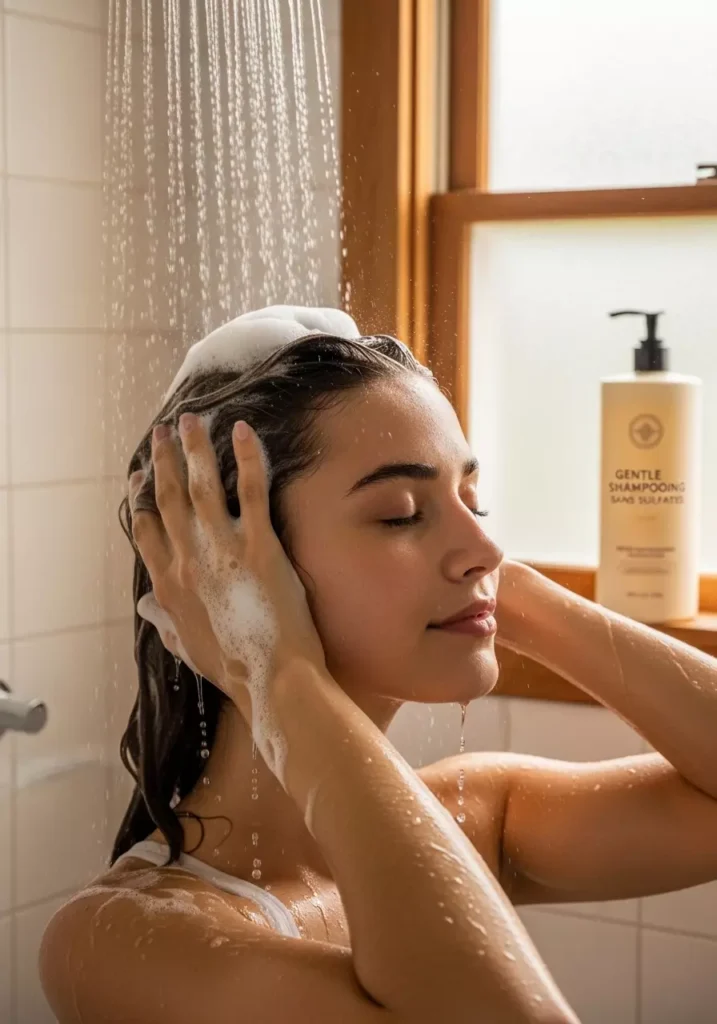
White hair is more delicate than pigmented hair, so harsh shampoos can strip away natural oils and make it brittle. I always recommend using sulfate-free shampoos or mild herbal alternatives that clean without damaging the hair. Washing your hair 2–3 times a week is sufficient to maintain cleanliness while preserving natural moisture. Over the years, I’ve seen that gentle shampoos prevent yellowing and maintain the natural brightness of white strands. Combining a gentle shampoo with a nourishing conditioner enhances softness and shine. Mild hair products ensure your white hair remains healthy, smooth, and chemical-free.
3. Avoid Heat Styling Tools
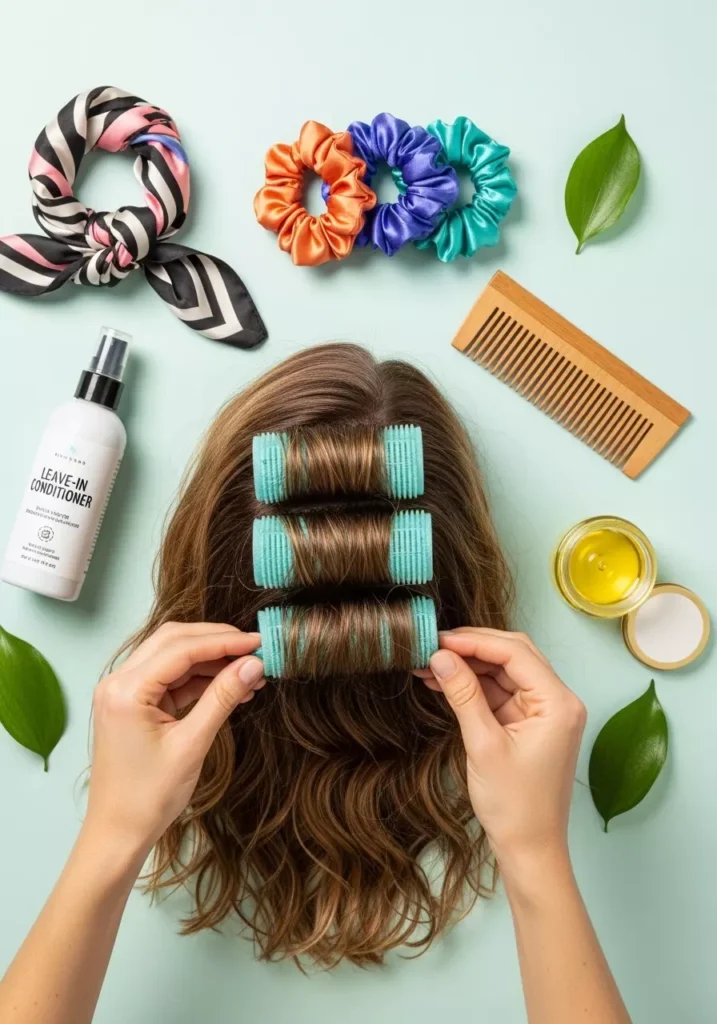
Heat can make white hair extremely brittle and prone to breakage, so limiting heat styling is crucial. From my personal experience, avoiding frequent blow-drying, straightening, or curling dramatically improved the strength and texture of my hair. If styling is necessary, always use a heat protectant or experiment with heatless styling techniques like braids, rollers, or twists. Over time, this method keeps your white hair smooth, manageable, and free from split ends. Reducing heat exposure also preserves natural shine and prevents premature dryness. Natural styling methods make your hair look effortlessly elegant without damage.
4. Regular Trims to Remove Split Ends
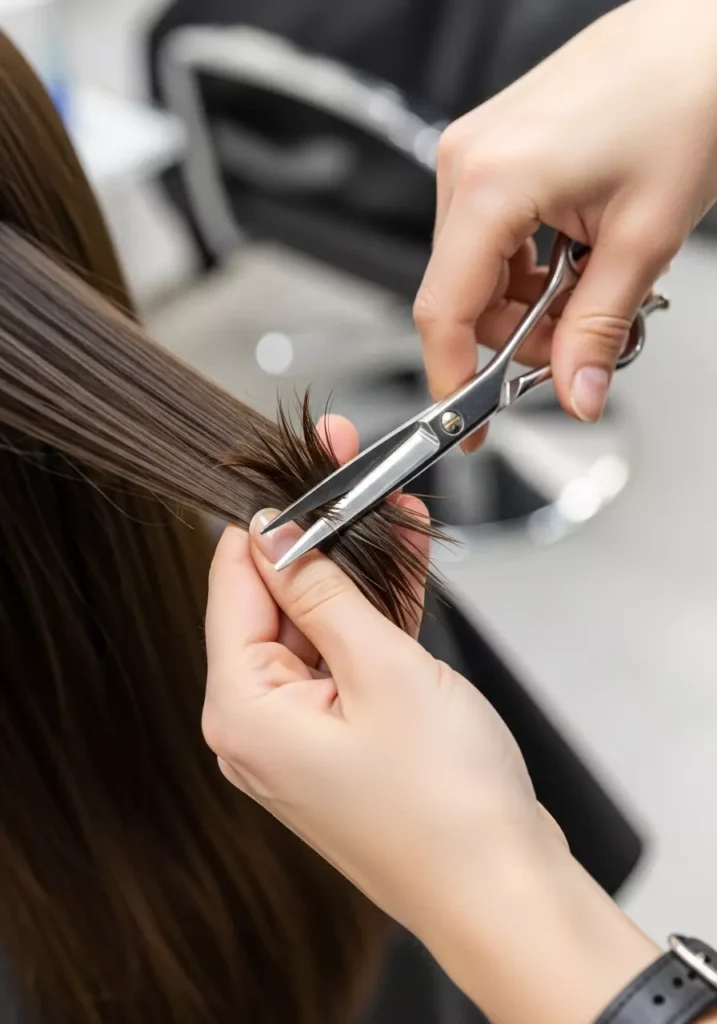
White hair tends to show split ends more visibly than pigmented hair, making trims even more important. From years of practice, I’ve learned that trimming every 6–8 weeks keeps hair looking neat, healthy, and thick. Regular trims prevent breakage from traveling up the hair shaft and maintain the overall shape of your hair. It also helps in reducing tangling, which is a common problem with white hair. Maintaining a consistent trimming routine ensures your hair always looks polished and well-groomed. This simple step can dramatically improve the overall health and appearance of white hair.
5. Maintain a Balanced Diet
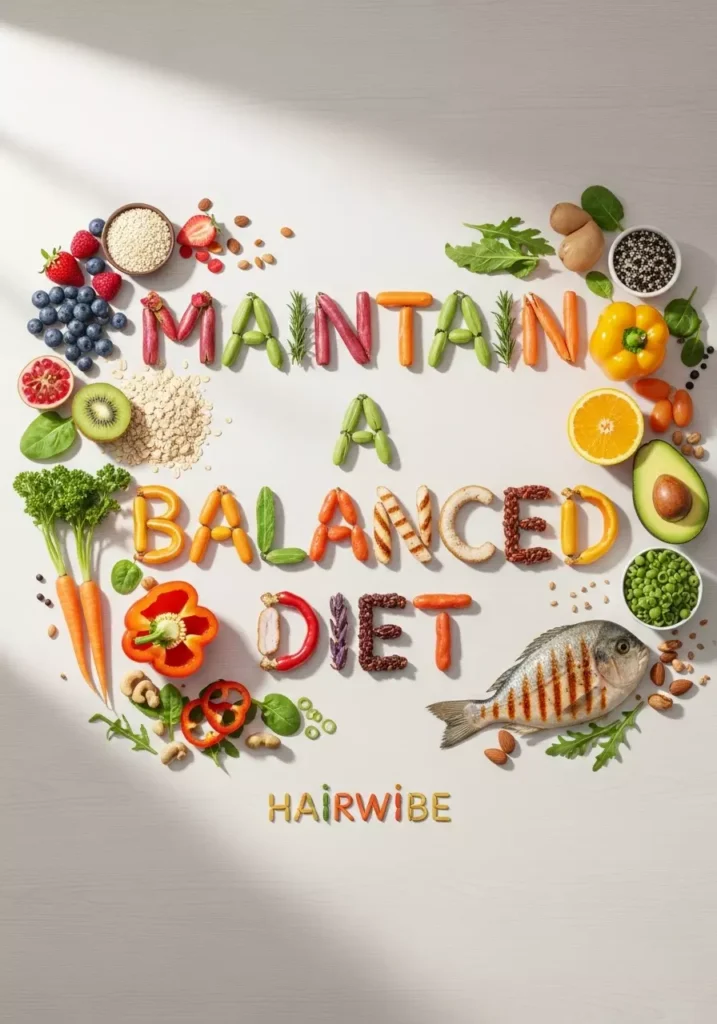
Healthy hair starts from within, and white hair is no exception. Including proteins, vitamins, and minerals in your diet keeps hair strong and shiny naturally. Foods like eggs, nuts, spinach, and fish provide essential nutrients that support hair growth and prevent dryness. Vitamins such as B12, biotin, and omega-3 fatty acids are especially important for maintaining the natural texture and shine of white hair. I’ve noticed that when my diet is balanced, my white hair appears healthier and more vibrant. Proper nutrition complements external care methods, making hair stronger from the roots to the tips.
6. Use Natural Masks and Remedies
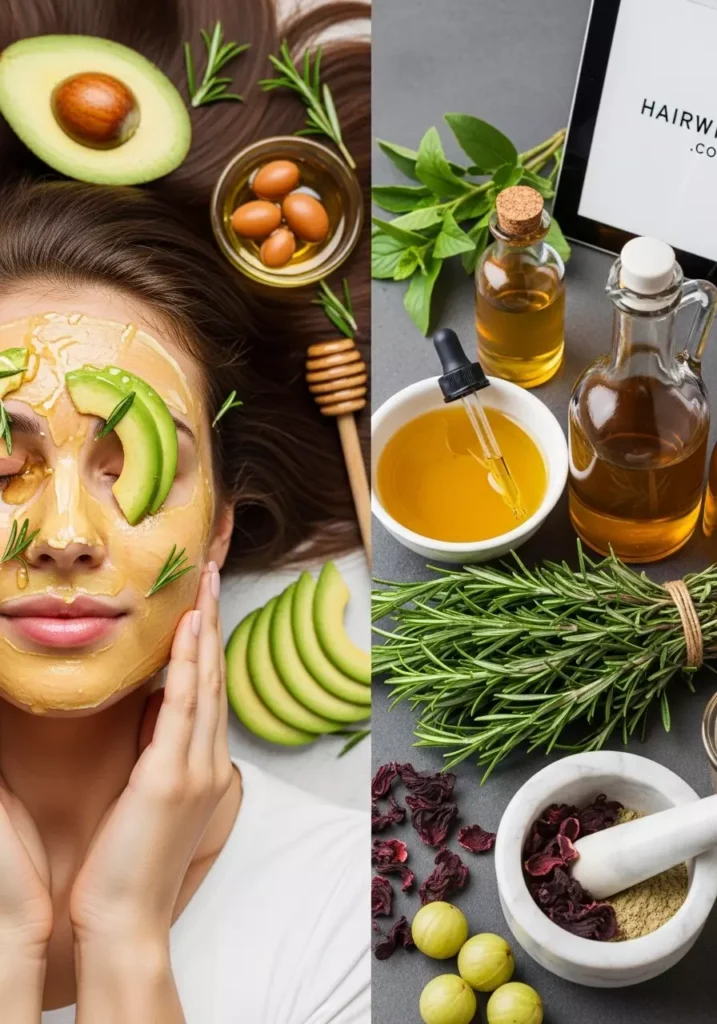
Natural masks like yogurt, aloe vera, hibiscus, and amla can rejuvenate white hair and restore softness. Over my years of experience, applying a homemade mask once a week significantly improved the texture and shine of my hair. Hibiscus powder mixed with coconut oil also helps strengthen the hair shaft and promotes hair growth. These remedies are free from chemicals and nourish your scalp naturally. Consistent use of natural masks prevents dryness, frizz, and split ends while enhancing overall hair health. Incorporating these simple treatments into your routine is a game-changer for white hair care.
7. Protect Hair From Sun and Pollution
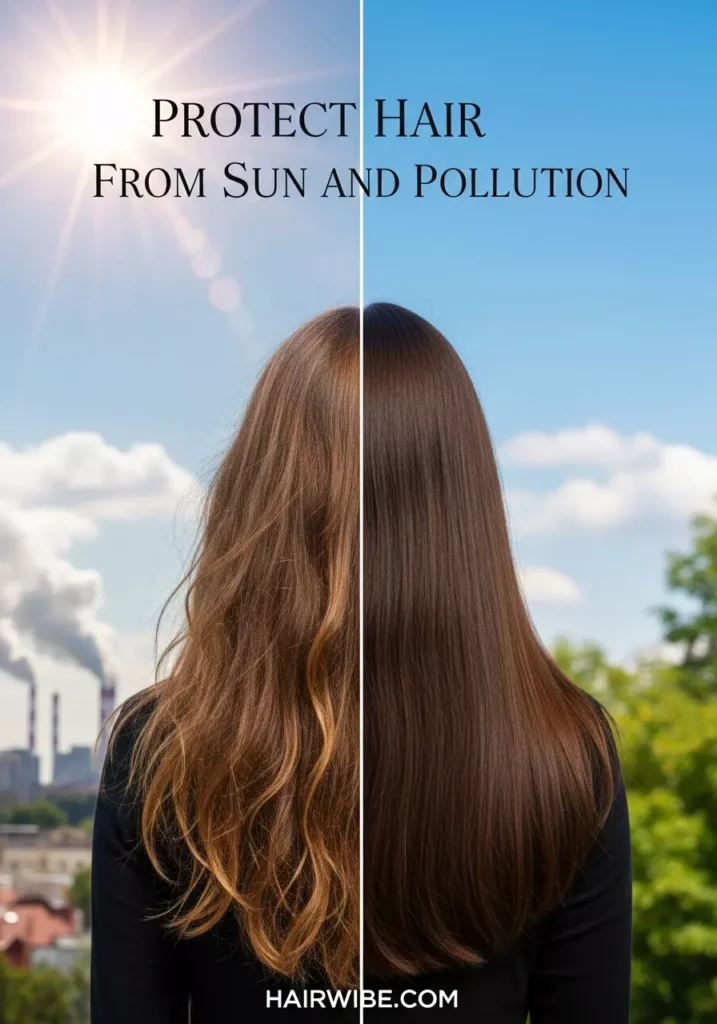
White hair is more susceptible to yellowing and discoloration due to sun exposure and environmental pollutants. I always recommend covering your hair with a scarf, hat, or UV-protective products when going outdoors. Using a mild leave-in conditioner with UV protection helps prevent damage and keeps hair soft. Over time, shielding white hair from sun and pollution preserves its natural color and brightness. Protecting your hair also reduces dryness and brittleness caused by external factors. Consistently caring for your hair outdoors ensures it stays healthy, vibrant, and chemical-free.
8. Stay Hydrated and Stress-Free

Hydration is essential for maintaining healthy hair, especially white hair. Drinking plenty of water keeps your scalp and strands moisturized naturally. Additionally, managing stress through meditation, yoga, or simple relaxation techniques can prevent hair fall and maintain the natural luster of white hair. Over my 15 years of experience, I’ve observed that stress directly impacts hair health, causing brittleness or dullness. White hair thrives when your body is well-nourished, hydrated, and relaxed. Maintaining a healthy lifestyle reflects in your hair’s shine, strength, and overall vitality.
FAQs
Q1: Can white hair be maintained without using chemicals?
Yes! White hair can stay strong, shiny, and healthy using natural oils, gentle shampoos, masks, and proper care routines without relying on chemical treatments.
Q2: How often should I oil my white hair for best results?
Oiling 2–3 times a week with natural oils like coconut, argan, or almond oil nourishes the scalp, reduces frizz, and improves shine.
Q3: Are there natural remedies to prevent white hair from becoming brittle?
Yes. Ingredients like hibiscus, aloe vera, amla, and yogurt can strengthen hair, add softness, and prevent dryness naturally.
Q4: Is it necessary to avoid heat styling for white hair?
Absolutely. Heat can make white hair brittle and prone to breakage. Use heatless styling methods or a heat protectant to maintain hair health.
Q5: Can diet affect the health of white hair?
Yes. A balanced diet rich in proteins, vitamins, and minerals strengthens hair, improves texture, and helps maintain natural shine.
Q6: How often should I trim white hair?
Trimming every 6–8 weeks removes split ends, prevents breakage, and keeps hair looking neat and healthy.
Conclusion
Maintaining healthy white hair without chemicals is entirely possible with the right natural care routine. By following these methods of oiling regularly, using gentle shampoos, avoiding heat, trimming consistently, eating a balanced diet, applying natural masks, and protecting your hair you can keep white hair strong, soft, and shiny.
Over my 15 years of experience, I can confidently say that natural care not only preserves the health of white hair but also enhances its beauty and elegance.

HairWibe is where style meets confidence. Our mission is to enhance your natural beauty with high-quality hair that feels as good as it looks — because every woman deserves to own her crown.